Camilo José Cela Trulock (Iria Flavia, A Coruña, May 11, 1916 - Madrid, January 17, 2002), Spanish writer and academic, is one of the essential authors in the canon of Spanish-language literature. In 1925, he moved to Madrid with his family and in 1934 began studying Medicine at the Complutense University, which he soon abandoned to attend as an auditor the classes of Contemporary Literature by Pedro Salinas. It is Salinas, to whom Cela showed his first poems, a key figure in the settling of his literary vocation
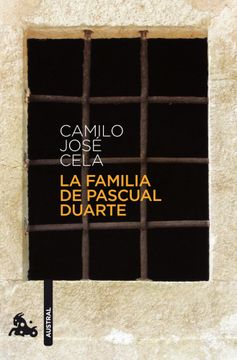
In 1940, Cela tried a new career, this time in Law -which he would also end up abandoning-, while writing his first major work, La familia de Pascual Duarte (1942), whose second edition had to be published in Buenos Aires after being banned by the censorship. This first novel was soon followed by Viaje a La Alcarria (1948) and La colmena (1951), published in Buenos Aires and immediately banned in Spain. In 1954 he moved to Mallorca and shortly after, in 1957, he was appointed academic of the language. His work, extensive and varied, has been published regularly since then
Among them, in addition to the titles already mentioned, it is worth highlighting El gallego y su cuadrilla (1949), Del Miño al Bidasoa (1952), San Camilo, 1936 (1969), Mazurca para dos muertos (1983, National Narrative Award) or Cristo versus Arizona (1988). To these should be added his work as a columnist for various newspapers. Among the awards he treasured throughout his life, it is mandatory to mention the Prince of Asturias Award for Letters (1987), the Nobel Prize in Literature (1989) and the Miguel de Cervantes (1995)
See more
See less