
Ship to
Germany
Select your location
Shipping costs will be calculated based on this address throughout the site.
Shipping costs will be calculated based on this address throughout the site.
Select your country
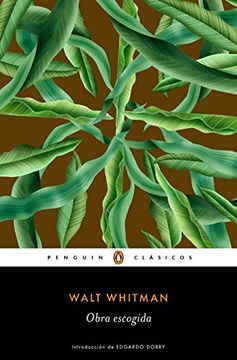
Obra escogida (in Spanish)
Walt Whitman
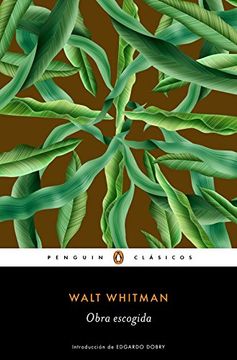
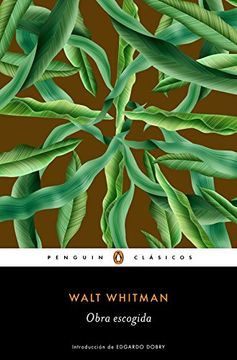
Obra escogida (in Spanish)
Walt Whitman (Author) · PENGUIN CLÁSICOS · Paperback
2 reviewsObra escogida (in Spanish)
Walt Whitman
Muy buen libro y selección
Para mi, este libro es como una biblia, vuelvo a él cada cierto tiempo, descanso en él y me vuelvo a levantar con él después de una caída. Es lo maravilloso de Whitman, te habla, te inspira, te acoge y te lleva a un lugar seguro con su poesía. Definitivamente tienen que leer este libro, y toda la obra de Whitman.
Do you have a question about the book? Login to be able to add your own question.