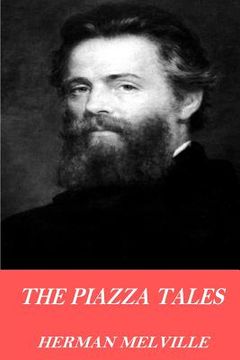
Herman Melville (New York, August 1, 1819-New York, September 28, 1891)1 was an American writer, novelist, poet, and essayist from the American Renaissance period. Among his most famous novels are Typee (1846), based on his experiences in Polynesia, and the novel Moby Dick (1851),1 considered his masterpiece and a classic of world literature
Between 1853 and 1855, he published a series of stories in Putnam Magazine, most of which were collected in The Piazza Tales, including two of Melville's most important narratives: the story Bartleby, the Scrivener and the novella Benito Cereno. Also featured is the story The Encantadas, consisting of ten sketches about the Galapagos Islands linked by a single narrator. In 1857, The Confidence-Man: His Masquerade, also known as The Confidence-Man, was the last prose fiction work he published. Seeking financial stability, he abandoned writing, accepting a position as a customs inspector
In his later years, in which he also had to endure the death of two of his brothers as well as the death of two of his sons, Clarence, from tuberculosis, and Malcolm from a possible suicide, as well as the death of another of his sons at thirty-five years old, Stanwix Melville, he dedicated himself to writing poetry. Battle-Pieces and Aspects of the War, from 1866, is a poetic reflection on the Civil War and Clarel: A Poem and Pilgrimage in the Holy Land, a fictional epic poem, published in 1876. The novel Billy Budd, which he left unfinished and was posthumously published in London in 1924, is considered one of the most significant works of American literature.
See more
See less